

What is modern enterprise data platform?
Organizations heavily invest in modernizing their data platform, care to know why?
What is a Data Platform?
The term "data platform" can be confusing, especially for startups, small businesses, or established companies that have not yet invested in digital transformation. In my opinion, it is a complex and evolving topic. A data platform is an integrated group of technologies that collectively meets an organization’s end-to-end data needs, fulfilling both operational and analytical requirements and unlocking value from the company’s data.
Evolution of Data Platforms
Historical Context:
Data platform design and implementation have evolved significantly from the 2000s to the 2020s. While the core principles remain largely the same, the technologies and methods have changed dramatically.
Data Acquisition and Storage:
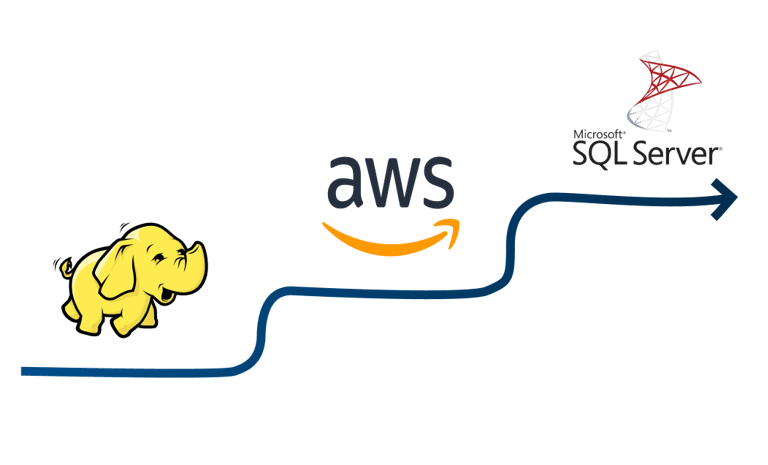
The primary function of a data platform is to enable businesses to acquire data from multiple source systems, such as operational line-of-business applications and internal and external reference datasets, and store them in various formats. Storage technologies have evolved from single disk storage, NAT, and clustered storage like Hadoop to online offerings such as S3 and Azure Gen 2.
Integration Layer:
Data acquisition orchestration depends on source systems and available integration technologies. Traditional tools like Informatica and SQL Server Integration Service (SSIS) were once the main players, but the market now offers many more integration options.
What is a Modern Data Platform?
Modern data platforms differ from traditional ones in several ways:
Future Proofing: Designed to accommodate future technological advancements.
Separation of Data from Compute: Allows independent scaling of storage and compute resources.
Scalability: Supports both structured and unstructured data, and batch and streaming data processing.
Cloud Computing: Utilizes SaaS solutions and multi-cloud environments.
Security and Governance: Built-in security measures, governance frameworks, and data catalogues for end-to-end data processing.
User Interfaces: Provides tools for various organizational roles, including architects, engineers, data analysts, and data stewards.
Business Benefits of a Modern Data Platform
Quick to Market:
Investing in data platform modernization enables rapid product development and market testing, providing a competitive edge through agility and efficient data management.
Better Compliance:
Modern data platforms enhance compliance and security, improving trust and brand reputation.
Cost Saving:
Leverage modern technology stacks like cloud computing, AI-driven data quality assessment, and automated processes to reduce costs and improve collaboration, decision-making, and overall business performance.



How We Can Help You Build a Modern Data Platform
DIMS and FACTS Ltd. can help you build a bespoke modern data platform tailored to your requirements. We specialize in Microsoft products and offer the following services:
Data Strategy Consultancy: Develop and implement a comprehensive data strategy.
Design and Implement Modern Data and BI Architecture: Create scalable and efficient data and BI systems.
Data Quality Assessment and Implementation: Ensure high data quality and integrity.
High-Value and Low-Cost Proof of Concept: Deliver proof-of-concept projects to demonstrate value and feasibility.
With years of experience and a proven in-house developed framework, we are your trusted partner for cloud readiness. Our expertise in data strategy and BI solutions ensures that you receive a comprehensive, tailored service that meets your unique needs.


Data and BI Solution Provider


PRIVACY & TOS
Privacy policy
Terms of Use
CONTACT US
Kidbrooke, London
anbu@dimsandfacts.co.uk
We are open from 9am — 5pm week days.